What Is E-commerce? Everything You Need to Know About E-commerce!
 Joram BoonSEO and content specialist
22 May 2024 · updated 1 May 2024
Have you ever wondered what e-commerce actually is? You're not the only one. Although it's a term we hear often, the concept remains vague and confusing for many people. You may even have tried to understand it, but felt overwhelmed by the complexity and jargon that's often used.
This can be frustrating, especially if you're considering selling online yourself, or if you're simply curious about how digital shops work. The world of e-commerce is huge and grows every day, but without a clear explanation, it stays a source of confusion.
In this article, we're going to explain e-commerce in a simple, accessible way. We'll look at what it is, how it works, and how it can help grow your business. Let's clear the fog around e-commerce together and make clear how you can benefit from it.
What Is E-commerce?
E-commerce, short for ‘electronic commerce’, refers to buying and selling products or services over the internet. In simple terms: whenever you buy or sell something online, you're taking part in e-commerce. This can be anything from books and clothing to digital services such as music downloads or streaming subscriptions.
The great thing about e-commerce is that it lets you buy or sell almost anything without leaving your house. This makes shopping more accessible, and often faster too.
Whether you're an individual seller offering handmade products or a large company supplying thousands of customers, e-commerce makes it all possible with just a few clicks.

Types of E-commerce Businesses
E-commerce comes in several models, each with its own specific features and target audiences. Below are the four main e-commerce models: B2B, B2C, C2C and D2C.
B2B (Business-to-Business)
B2B e-commerce covers the online sale of goods and services between businesses. This model is aimed at the needs of other businesses and organisations, not individual consumers.
Example: An office furniture manufacturer sells desk chairs and desks to various office supply companies. Those companies then sell to end users, but the initial transaction takes place between the manufacturer and the supplier.

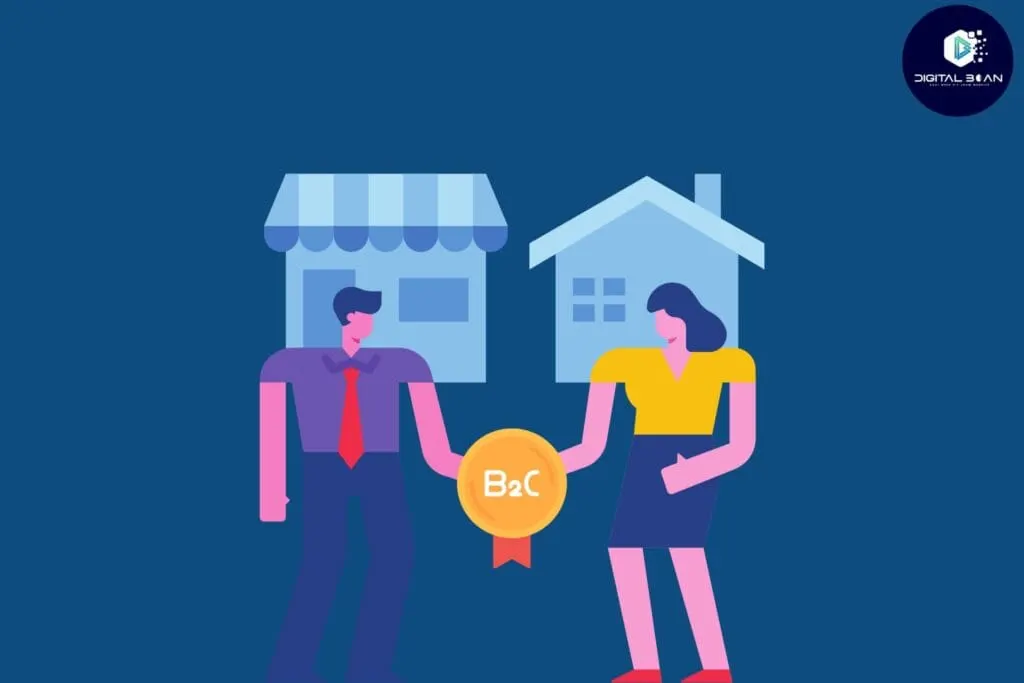
B2C (Business-to-Consumer)
B2C e-commerce is the best-known model, where businesses sell directly to consumers through online platforms.
Example: An electronics shop that sells smartphones and laptops to individual consumers through its own online store. Customers can order products directly from the website and have them delivered.
C2C (Consumer-to-Consumer)
In the C2C model, consumers sell goods or services to other consumers. This is usually done through platforms that bring buyers and sellers together.
Example: Think of eBay or Facebook Marketplace, where users can sell second-hand items to each other. These platforms facilitate the transaction by offering a safe environment for payment and communication

D2C (Direct-to-Consumer)
The D2C model is a form of B2C where brands sell directly to consumers, without retailers or other middlemen involved. This is especially interesting if you handle the production of your own products yourself.
Example: A cosmetics company that sells its products exclusively through its own website. This lets them keep full control over the brand, customer service and user experience.

Who Is E-commerce Interesting For?
E-commerce opens doors for a wide range of groups looking to grow and innovate. Here are a few examples of who can benefit from online trade:
Startups and small businesses: E-commerce is a springboard for small players with big dreams. Without the costs of a physical storefront, they can offer their products directly to consumers and respond quickly to market changes.
Traditional businesses looking to modernise: Businesses with an existing physical presence can extend their sales into the digital world, letting them reach customers beyond their traditional geographic borders.
Local shop owners looking to boost their visibility: Thanks to the power of online marketing and SEO, even the smallest shops can stand out next to the big names. This helps them reach a bigger audience without losing their local charm.
Specialists in niche products: Sellers with unique or specialised products often find their audience more easily online, where the whole world can find their shop.
Creatives and craftspeople: Artists and craftspeople making unique, handmade products can reach a far wider audience through e-commerce than would be possible through traditional sales channels.
So e-commerce offers powerful opportunities for almost every entrepreneur, big or small, with products or services, to grow their business and tap into a wider customer base.
The Advantages and Disadvantages of E-commerce
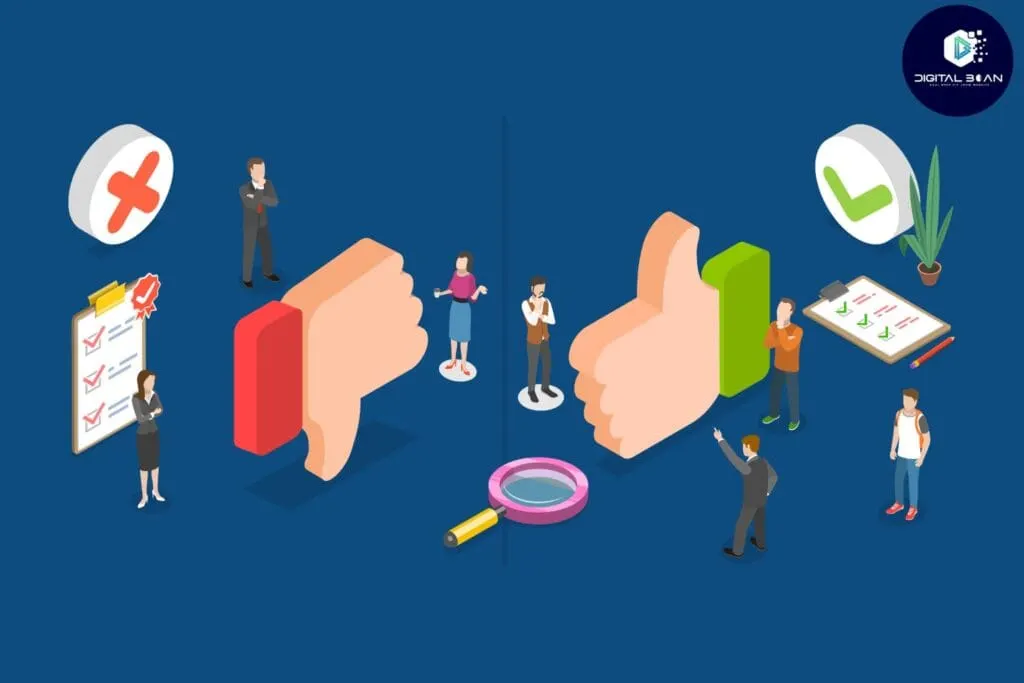
Advantages of E-commerce
Global reach: E-commerce breaks down geographic barriers, letting you sell products and services all over the world. This opens doors to new markets and customer groups.
Always open: Your online shop is open 24/7. Customers can shop whenever suits them, which leads to greater customer satisfaction and more sales opportunities.
Lower costs: Running an online shop can be considerably cheaper than a physical shop. You save on rent and staff, which leaves more room for investment in growth and innovation.
Options for personalisation: Thanks to advanced data analysis, you can understand customer behaviour and respond to it with personalised offers and services, which increases customer loyalty.
Flexible scalability: E-commerce lets you scale up quickly and efficiently. Adding new products, expanding into new markets and adjusting your strategy are all easy to manage.
Disadvantages of E-commerce
Fierce competition: Although the market is competitive, e-commerce also offers tools such as SEO, targeted advertising and social media marketing to boost your visibility and stand out.
Technical issues: Yes, e-commerce depends on technology, but by investing in a reliable website and good hosting, you can minimise most common issues and offer a smooth shopping experience.
Shipping costs: Shipping costs can be high, but with smart logistics planning and promotions such as ‘free shipping over a certain amount,’ you can still attract and retain customers.
Limited customer interaction: Although direct contact is limited, excellent customer service through live chat and quick responses to questions can still help you build a strong relationship with your customers.
E-commerce offers enormous growth opportunities through global reach and lower costs. With the right strategies, you can successfully navigate challenges such as competition and technical issues, and grow your business.
The Key Channels in E-commerce Marketing You Can't Afford to Miss!
If you want to reach the top with your e-commerce business, it matters a lot to know, and use, the right marketing channels.
Below, we've listed the most important ones with the biggest impact:
- SEO (Search Engine Optimisation): With the right SEO strategy, we make sure your website appears at the top of Google's search results when people search for the products or services you offer. It's all about optimising your website so that search engines such as Google can easily find and value it.
SEA (Google Ads): This is like taking a fast lane to the top of the search results. With Google Ads, we can create targeted ads that appear at the top of the page when people search for specific keywords. This means your ad immediately stands out to potential customers the moment they're looking for what you offer.
Social Advertising: Imagine having a conversation with potential customers, but digitally. With social advertising, we can reach your target audience through platforms such as Facebook and Instagram. We create engaging ads that encourage people to take action, whether that's visiting your website, viewing your products or following your page.
Marketplaces: These are like busy shopping streets where people love to browse. By listing your products on major platforms such as Amazon, you massively expand your reach. We help you optimise your presence on these platforms, so your products stand out from the competition and people are encouraged to buy from you.
Email marketing: This is like maintaining valuable relationships with your customers. With thoughtful, engaging email campaigns, we can keep your customers engaged and inform them about new offers, products and more. It's a direct way to stay in touch and encourage repeat purchases, which strengthens customer loyalty. It also gives you more control over your revenue, since you decide when people see something.
At Digital Bean, we have the expertise to support you with all your online marketing. From optimising your SEO strategy to managing your ad campaigns and analysing your sales data, we're here to help you succeed in the world of e-commerce.
Curious how we can tackle this together? Get in touch with us and discover how we can accelerate your e-commerce success!
Everything Briefly Summed Up
So there you have it! Now you know what e-commerce is, how it works, and just how many opportunities there are.
It's a great way for businesses to do business online and achieve faster success and plenty of growth. Whether you run a small local shop or dream of building a big global brand, e-commerce really does offer opportunities for everyone.
And you know what the best part is? By making smart use of tools such as SEO, SEA and social media advertising, you can really make a difference for your business. It's like having your own online megaphone to spread your message and reach customers.
But hey, we understand it can all feel pretty overwhelming. Luckily, we're here to help!
As your e-commerce specialist, we're ready with a whole arsenal of online marketing services.
>> Book a call here << and let us help take your e-commerce adventure to new heights!